Short-term rental:
What are we talking about?
Unlike traditional rentals, short or medium term rentals allow stays ranging from a single night up to a maximum of 90 consecutive days, with a possibility of re-new.
This type of rental is mainly aimed at a transient clientele: tourists, professionals on the move, industrial, commercial, but also families or people in transition.
Short-term rentals are preferred by many travellers who want to regain a sense of comfort and privacy, as if they were at home, even on the go.
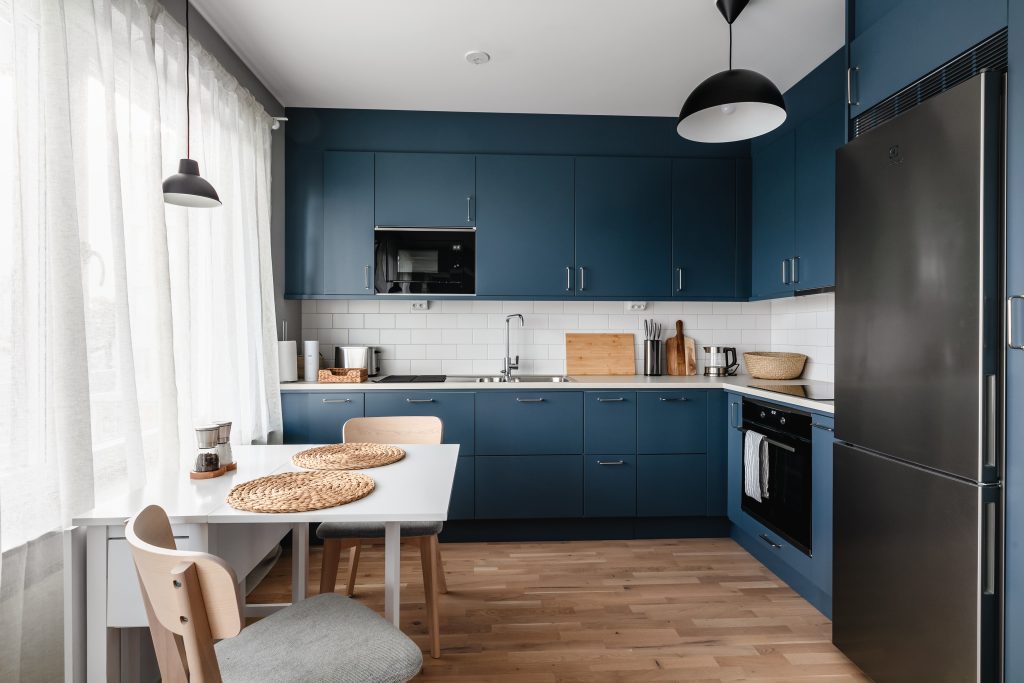
The types of accommodation offered are varied, but some rules apply. A short-term rental property must be furnished and equipped to ensure a comfortable and functional stay for the tenant. As such, empty housing may not be offered under this framework.
The accommodation must have everything necessary to store (cupboards), cook (dishes, utensils), sleep (bedding) and perform daily tasks (vacuum cleaner, broom, etc.).
The objective: to allow the tenant to arrive with only his personal belongings, without worrying about the rest.
Development of seasonal rentals in Sweden
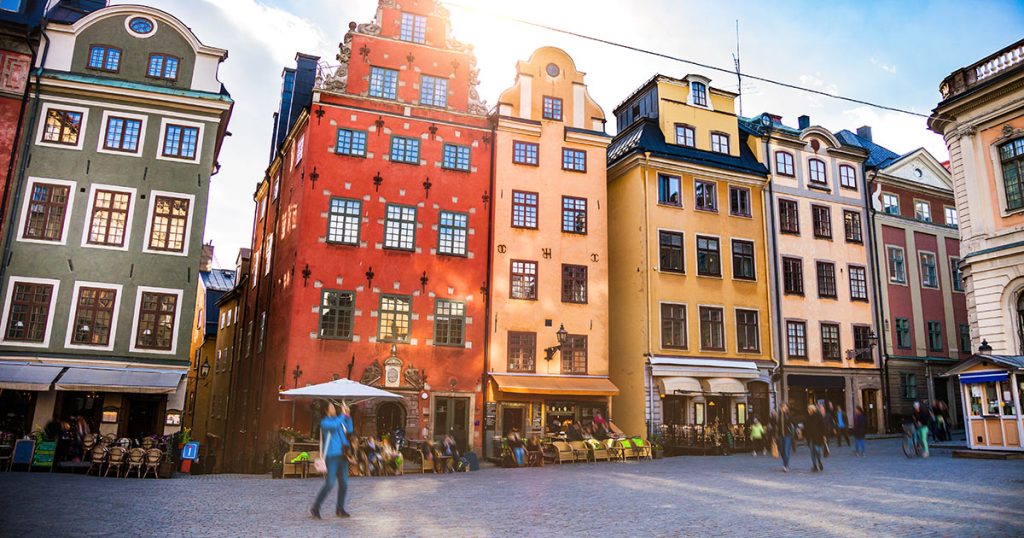
It was during the 2010s that short-term rental really started to develop in Sweden, especially thanks to the rapid expansion of digital platforms like Airbnb and Booking.
Why such enthusiasm about short-term rentals in Sweden?
Travellers are increasingly looking for personalized experiences and are turning to alternatives like short-term rentals advertised on Airbnb to traditional hotels.
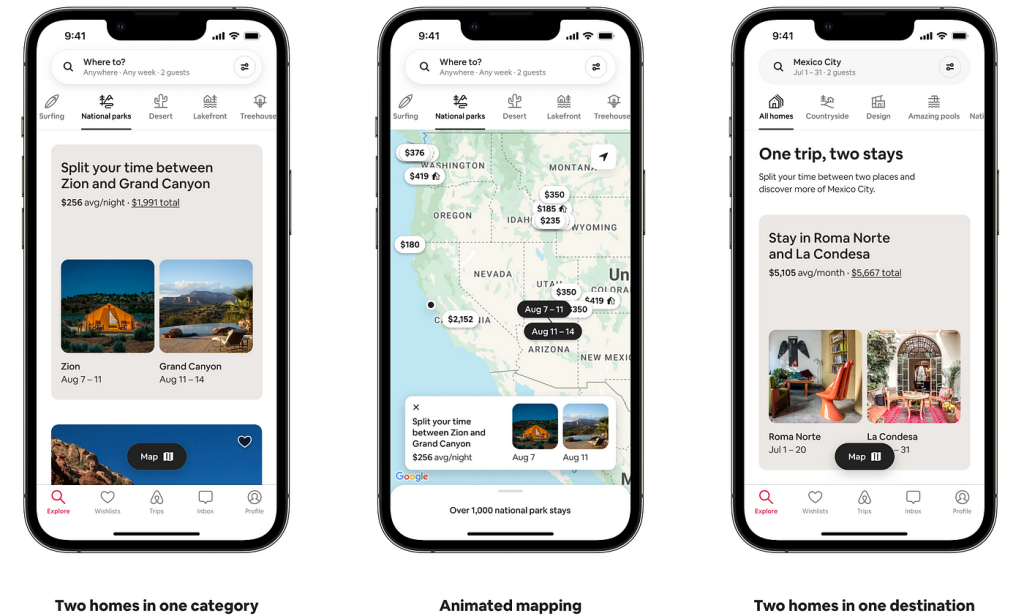
Vacation rental platforms like Airbnb, VRBO, and Booking.com offer a simple and intuitive interface for both holiday and business travellers.
Property owners in Sweden can easily post an ad, set their rates freely and manage their booking calendar with just a few clicks. And if they want to increase their income even more, the use of proeprty management companies and professional hosts is increasingly popular.
Travellers also benefit from a high degree of flexibility: they can filter accommodation according to several criteria such as location, budget, facilities offered or reviews left by previous guests.
This is one reason why your property needs to be managed professionally and ensure the highest quality – because guests have so much choice.
The digitalisation of the sector, combined with new expectations from tourists, has profoundly transformed the accommodation market in Sweden, making holiday rentals more attractive, accessible and dynamic than ever before.
Behavior has changed
The Swedish short-term rental market has seen the arrival of new consumer profiles, notably Generation Y (born between 1980 and 1994)
Very connected, in search of authenticity and freedom, these travelers prefer homestays rather than traditional hotels.
They are looking for a flexible experience: arrival and departure at the time of their choice, direct contact with the host, and personalized recommendations to discover the city like a local.
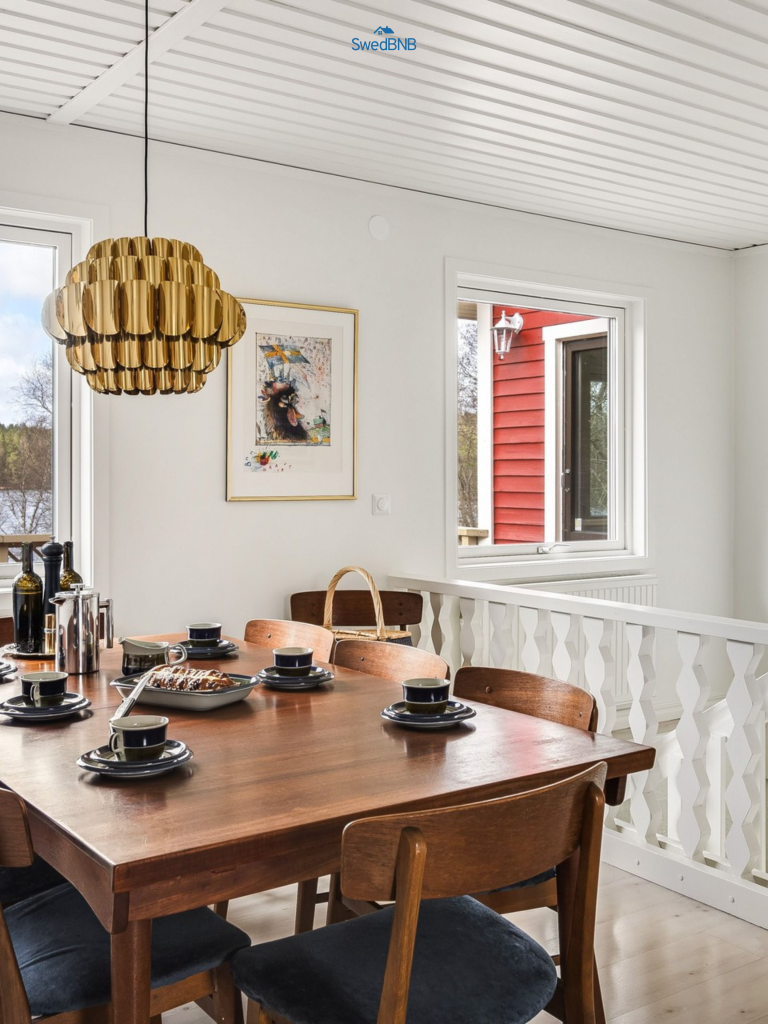
This generation is also very sensitive to the aesthetics, and the uniqueness of accommodations, which encourages property owners to design well-decorated, warm, and original living spaces.
In Sweden, the COVID-19 health crisis marked a major turning point. While the hotel sector significantly slowed down, short-term rentals quickly regained popularity after the lockdown.
Both Swedish residents and international tourists began to favor more isolated, private, and secure accommodations that meet hygiene standards and provide greater privacy than traditional collective establishments.
This period has strengthened the search for exceptional, well-equipped housing where you feel good.
Travellers want to have a memorable, emotional experience in an unusual place.
Attractive Returns for Investors
With a digitalization of the offer, this economic model offers today returns much higher than those of the classic rental.
Higher rental income
While a long-term lease generates stable but often capped income, short-term leasing allows, on average, to increase monthly income by 30 to 50%, depending on the location of the property and its quality. In the tourist area or in large cities like Stockholm, Gothenburg or Malmö, owners can rent their accommodation by the night for much cheaper rates than those of a classic monthly rental.
A lever to value existing assets
Investing in a short-term rental property can also be an excellent way to capitalize on underutilized real estate assets. In Sweden, many second homes or unoccupied apartments are now finding new life thanks to this rental model. This not only generates additional income, but also maintains a property in good condition that could have remained empty.
An opportunity for new investors
Finally, market accessibility attracts a new generation of investors. Thanks to a simplified management often outsourced via specialized professional host and short-term rental property management company such as SwedBNB , it is possible to start in rental investment without having to manage the constraints of everyday life. This allows working youth, expatriates or families to invest in the stone, while maintaining a certain freedom of movement.
Leave a Reply